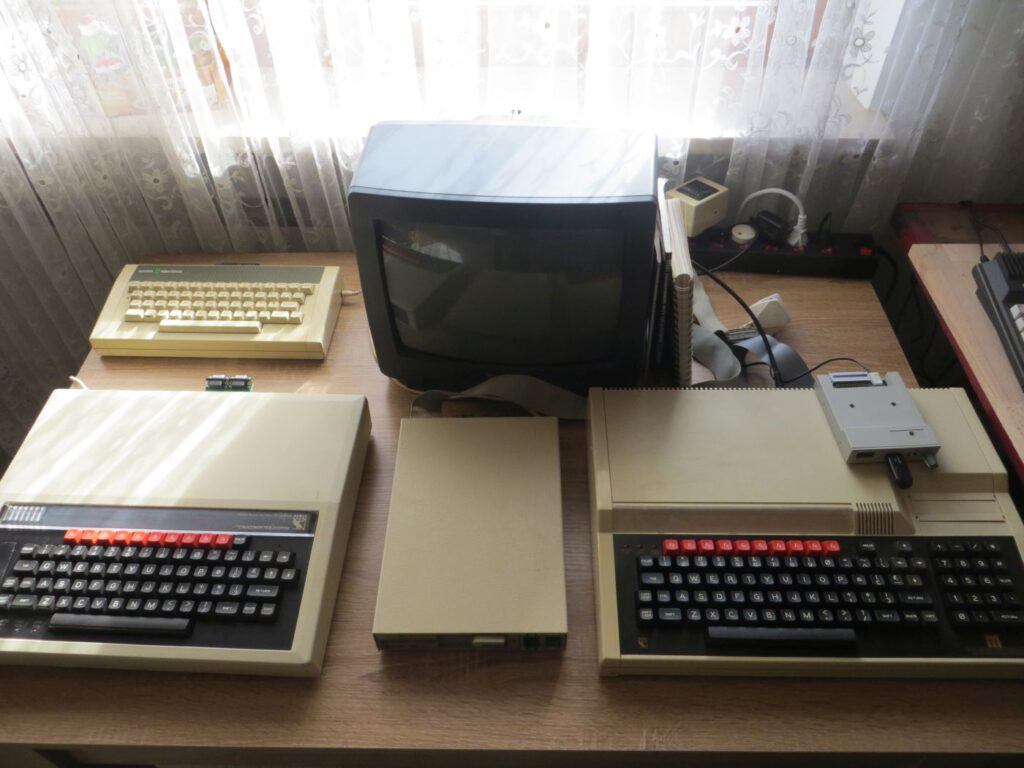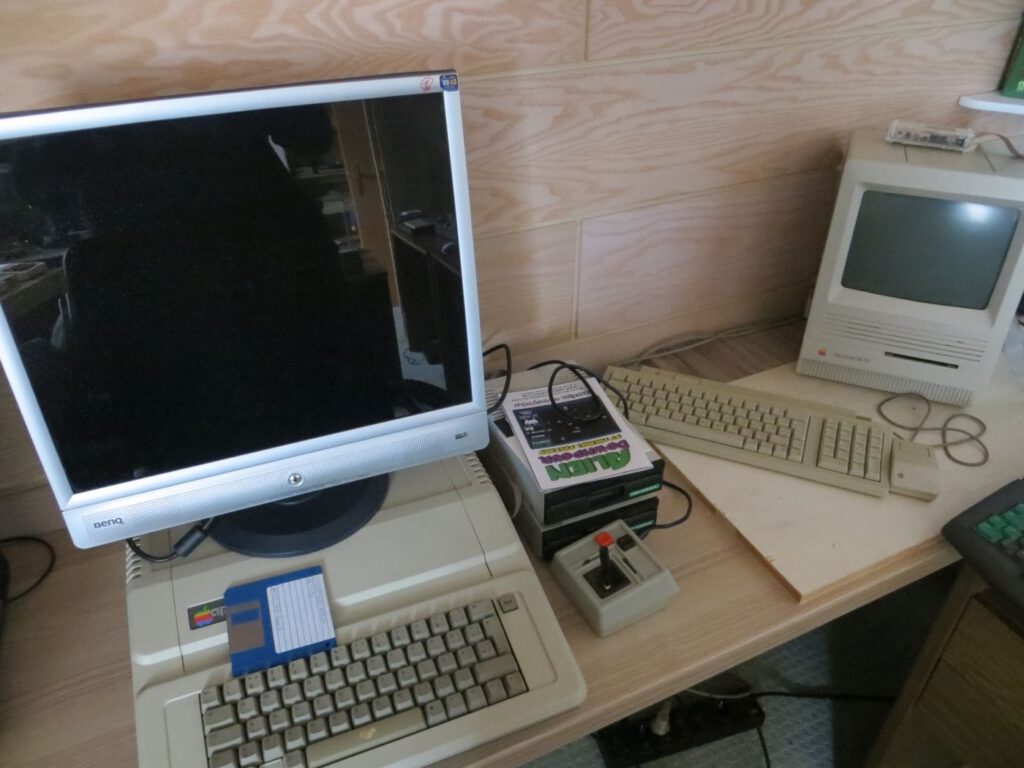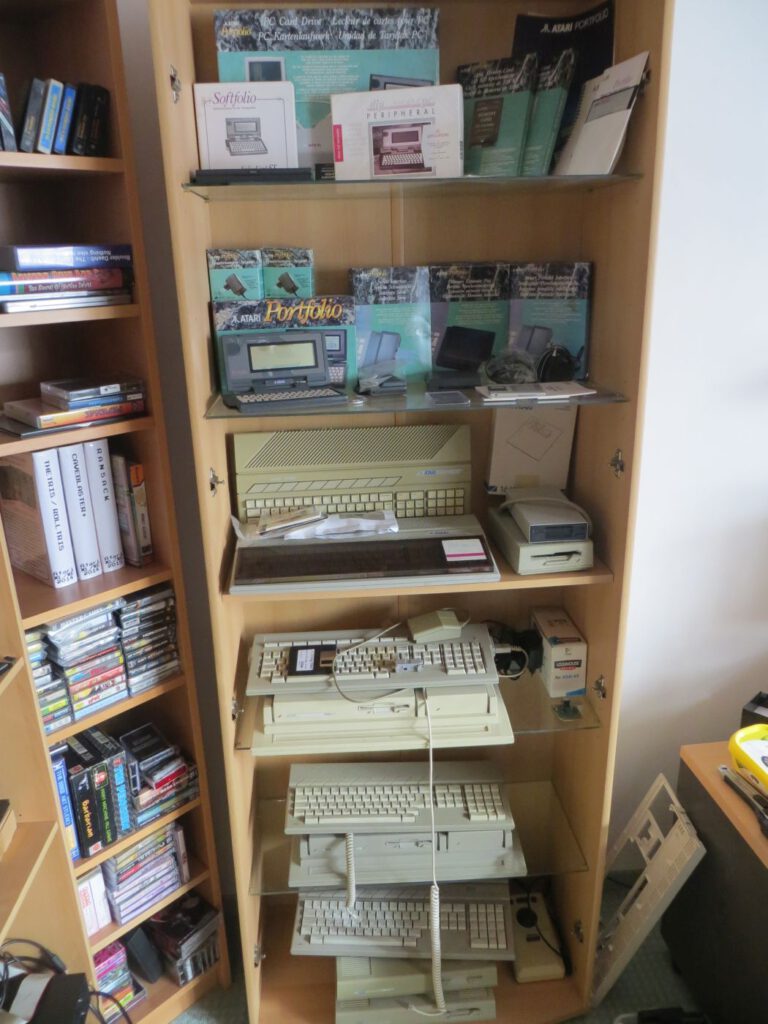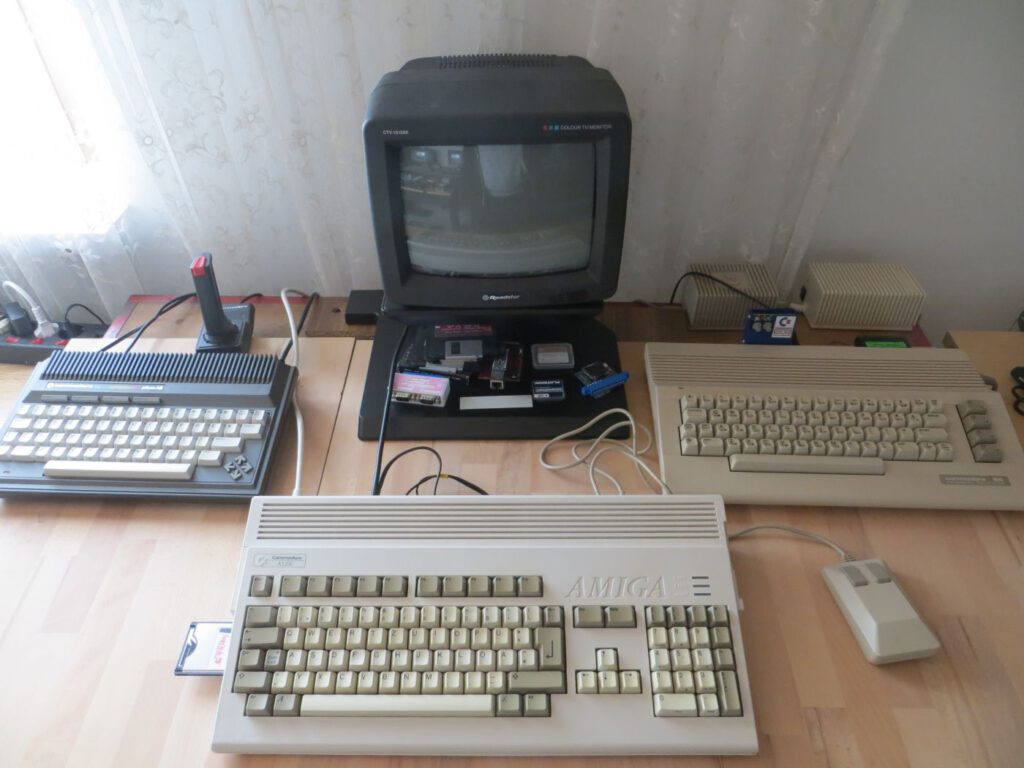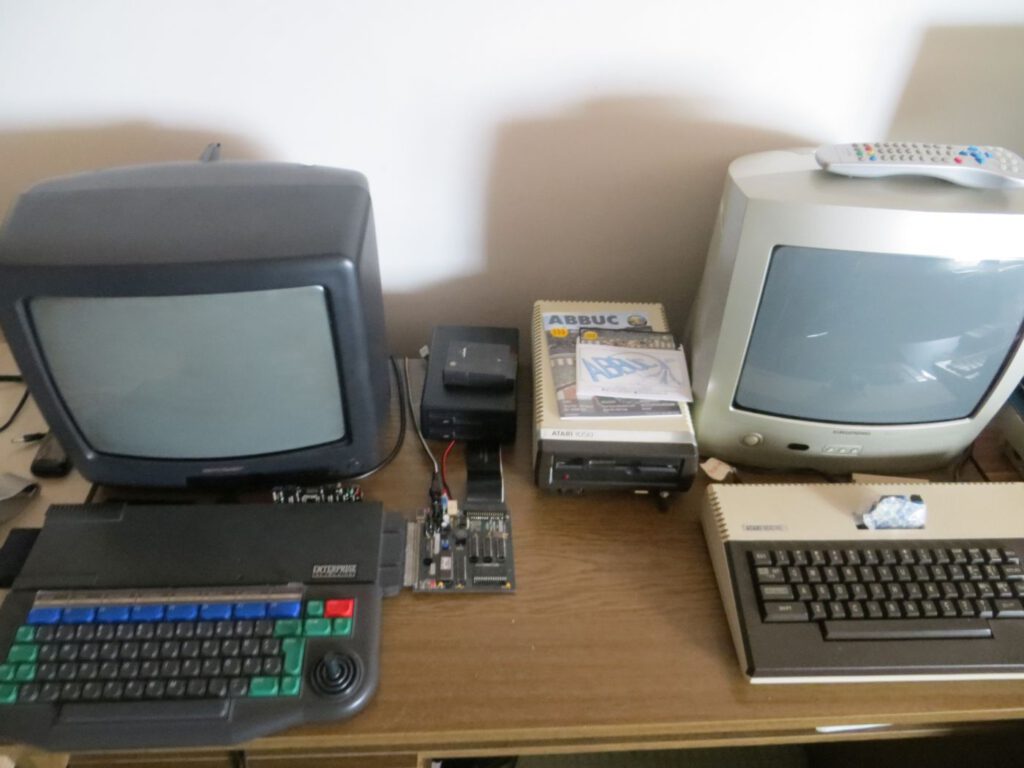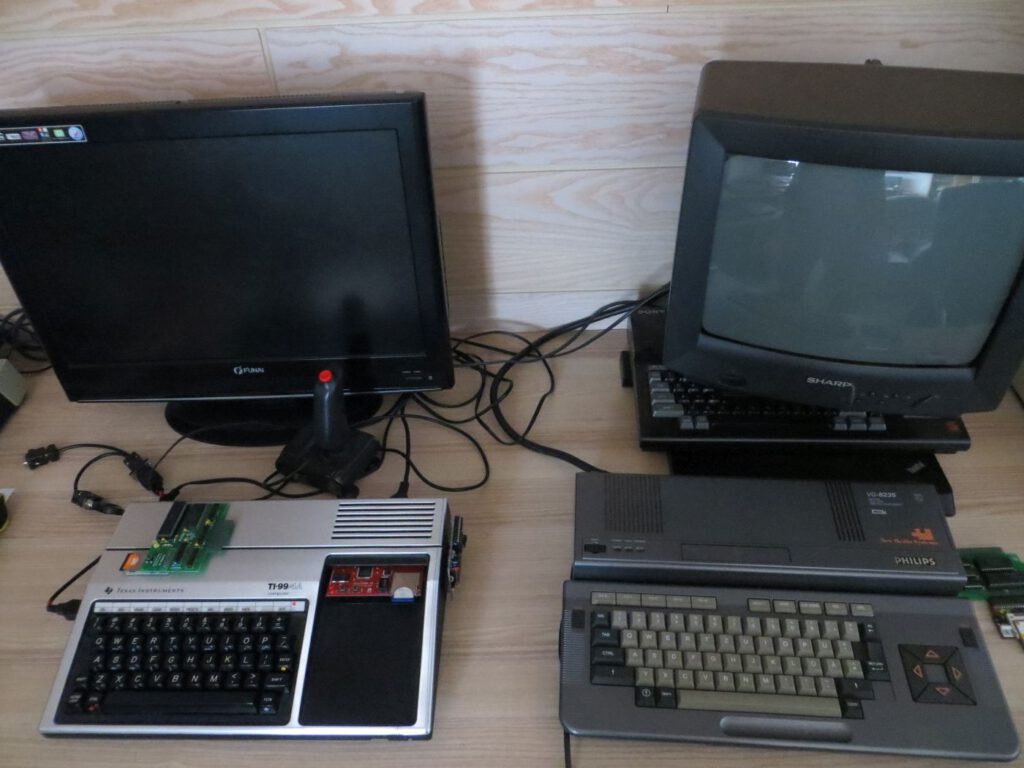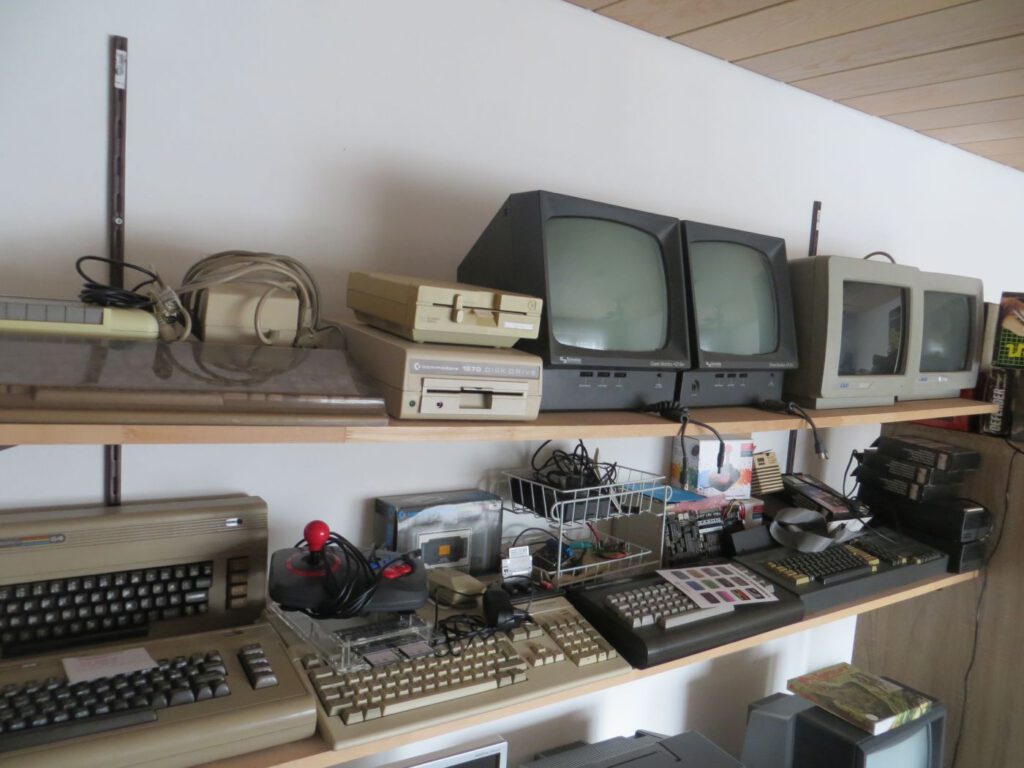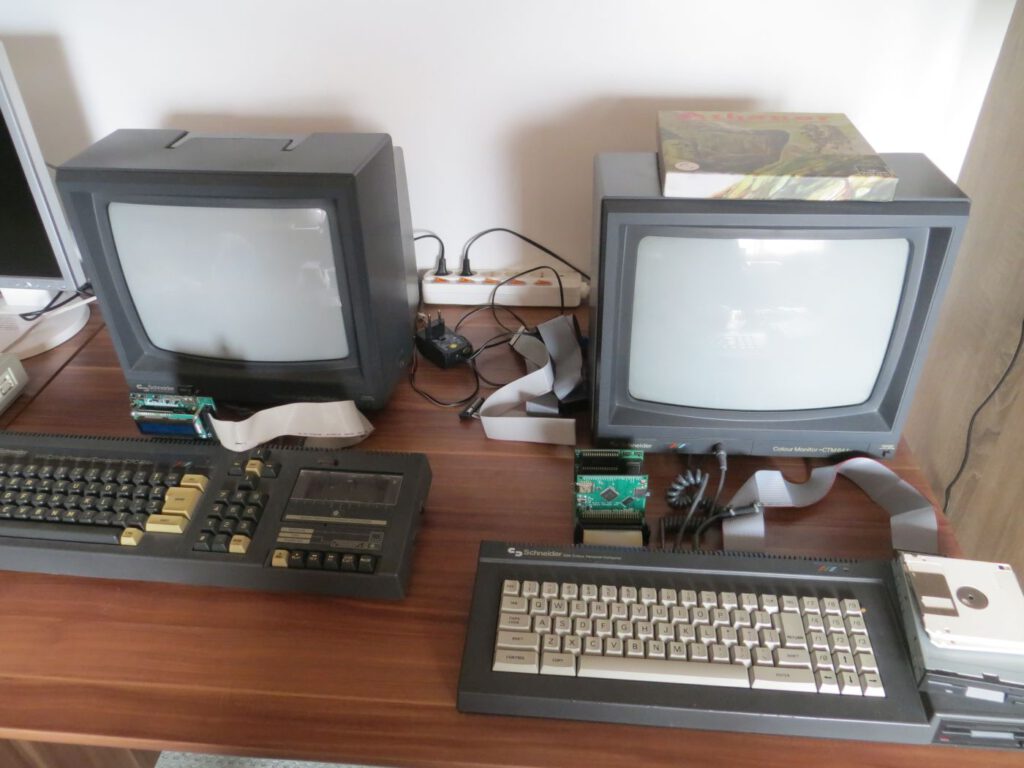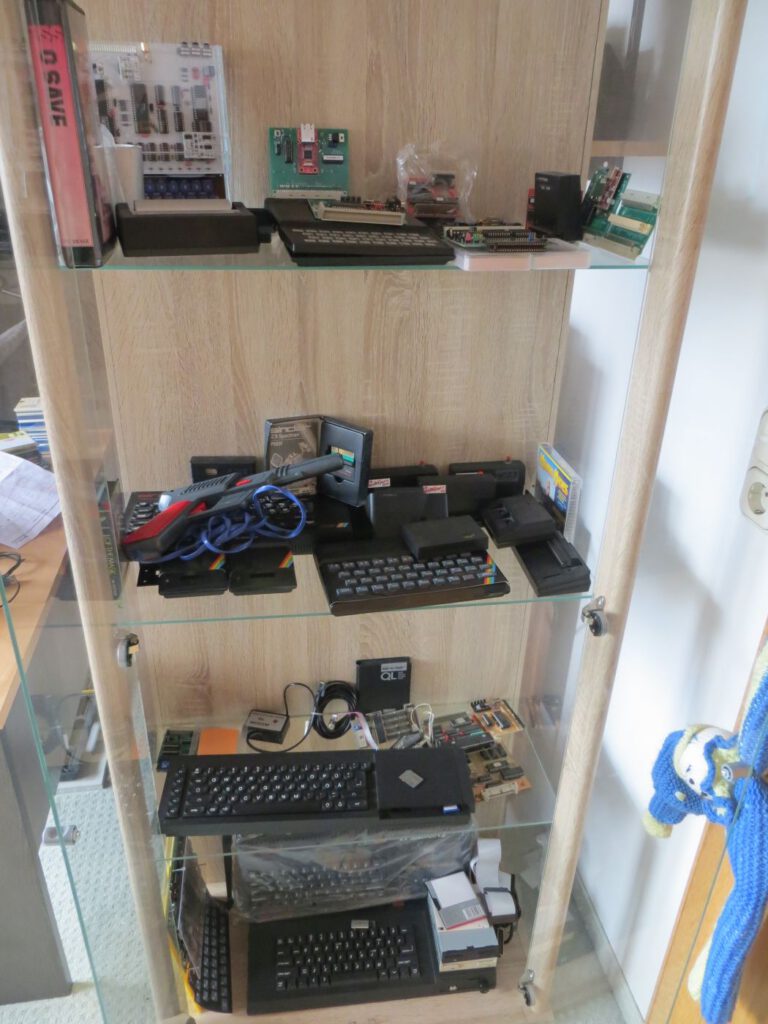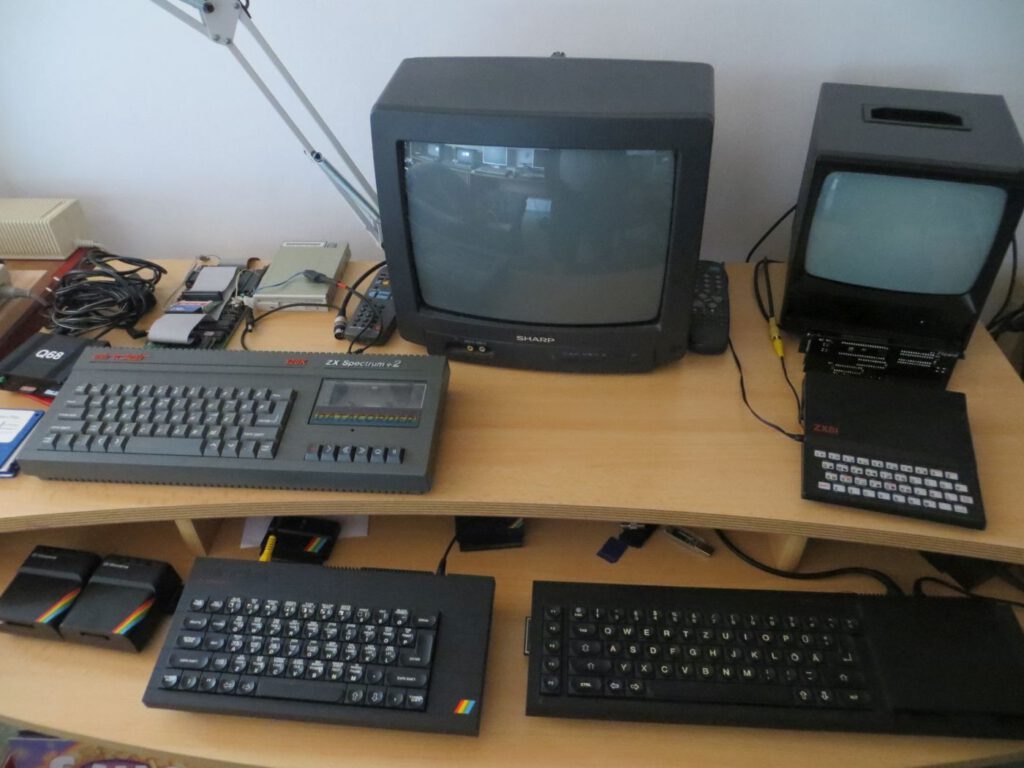

My enthusiasm for computers began in the early 1980s. When I read about this fascinating new technology in the P.M. Computerheft, I realized immediately: This is the future. I begged my grandmother until she gave me a Sinclair ZX81, which was the cheapest home computer at the time. Fascinated, I sat in front of the monitor, typed in listings, and watched as the programs came to life after I entered the “RUN” command.
The ZX81 soon wasn't enough anymore, despite its flimsy 16-KB memory expansion—it was time for the next step in its evolution: the Sinclair ZX Spectrum. I received it as a promotional gift from the Bertelsmann Club , and it gave me many hours of enjoyment. Since my friends owned different computers, there was plenty of variety—I had the opportunity to get to know a wide range of different devices.
With my first significant savings, I bought my very first computer—the Sinclair QL. This underrated (almost) 16-bit machine from England had built-in Microdrives; while it didn’t come with any games, it did offer an excellent version of BASIC and nearly professional-grade software.
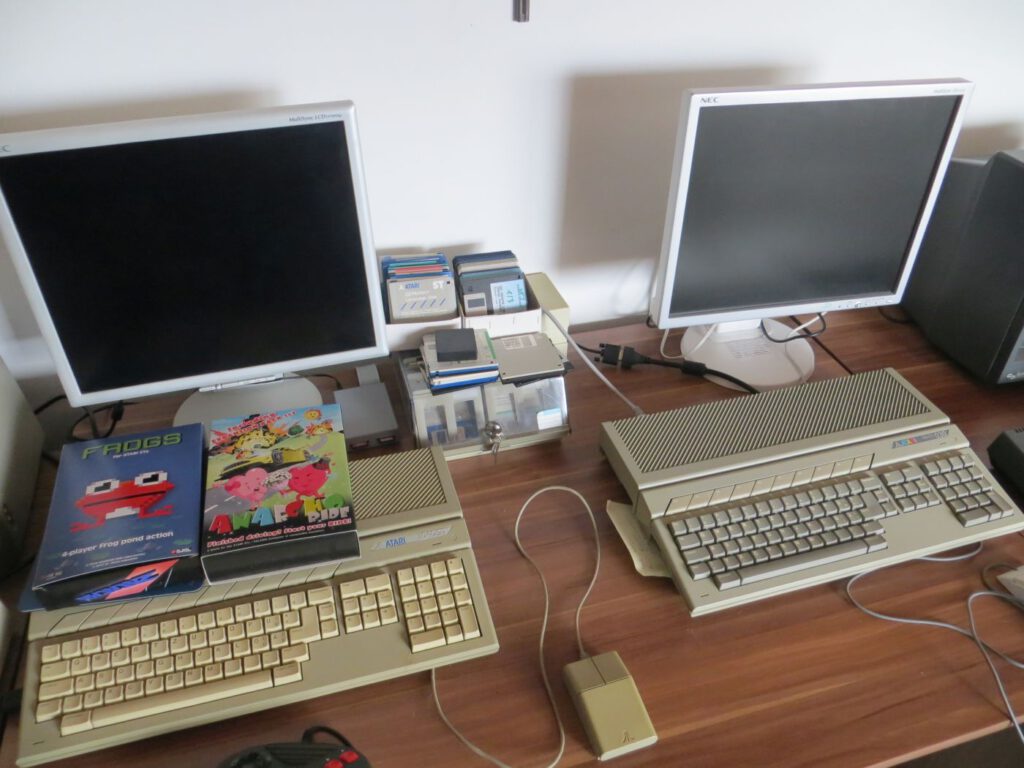
After graduating from middle school in 1987, I had the opportunity to choose a computer, and I decided on the Atari ST. With this machine, I was not only able to enjoy a wide variety of games, but also use my first useful applications, such as GFA-Basic, word processing, and database programs. I even brought the computer to my apprenticeship company to write letters using the word processing feature, which was a cost-effective alternative to the IBM PC, which cost 10,000 DM.
Unfortunately, the notorious lawyer Grafenreuth put an end to my early interests in computers. It wasn’t until a few years later (1993) that I got back into PCs. Since 2013, I’ve been delving more deeply into old hardware again. That’s how the blog came about—I started writing down the things I’d discovered and researched so I could share them right away with others who are also interested in the topic.