

![Commodore 116 [Commodore]](https://www.jungsi.de/blog/wp-content/uploads/C116_2.jpg)
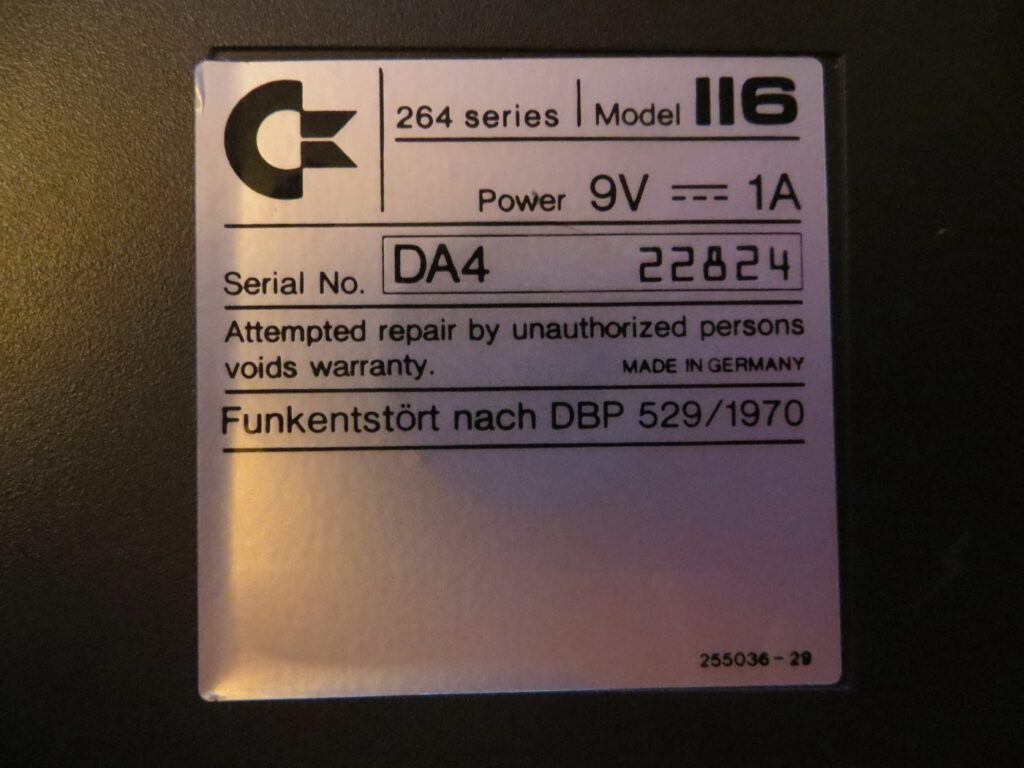
In the meantime, the third computer in the Commodore 264 series has also found its way to me – the C116, which was launched in 1984. This is a particular delight for me for personal reasons, as in the 1980s one of my best friends, who lived a few houses down, owned a C116.
I won’t dwell on the machine, as it differs little technically from the other models in the range. Like the C16 and Plus/4, the C116 was compatible with neither the VC20 nor the C64. The casing looks very similar to that of the Plus/4, but is significantly smaller. Very early models had an Escape key instead of the left Shift key and an Inst/Del key instead of the Caps Lock key. However, this was later rectified (as with the model in my photos).
The computer’s developer, Bil Herd, confirmed that the C116 was the model originally intended for the TED chip. However, management then intervened and expanded the product range – 116, 232, 264 and 364 (the difference between the 264 and the 364 was that the 364 also had a numeric keypad and featured the Magic Voice voice output as a built-in feature; however, only a few prototypes of the 364 were ever built). The 264 then became the Plus/4, whilst the 364 was scrapped. The Commodore 16 was only added later, when management decided that a successor to the VC20 was needed. So they took the case and keyboard from the VC20, painted them accordingly and adapted the TED design to fit the case.
With the C16 and C116, the main memory was a step backwards compared to the 64 KB of the C64: only 16 KB of RAM was available as standard, and there were no plans for an official upgrade to 64 KB. Even with an externally connected RAM expansion, the circuit board had to be modified. A better and more stable solution was the internal expansion, achieved by replacing the two RAM ICs and soldering in a few wires. With a C116 upgraded in this way, the vast majority of Plus/4 programmes could be run.
Another point of criticism regarding the C116 was the keyboard. Commodore’s competitors had realised that a proper typewriter-style keyboard was the better option. However, Commodore introduced a rubber keyboard on this computer (similar to the ZX Spectrum from Sinclair) – according to reviews from that time, one of the most heavily criticised keyboards ever. Furthermore, unlike the C64, the TED computers lacked hardware sprites. One advantage was the significantly more comprehensive Basic 3.5 compared to the modest Basic 2.0, and the computer was capable of displaying 121 colours.
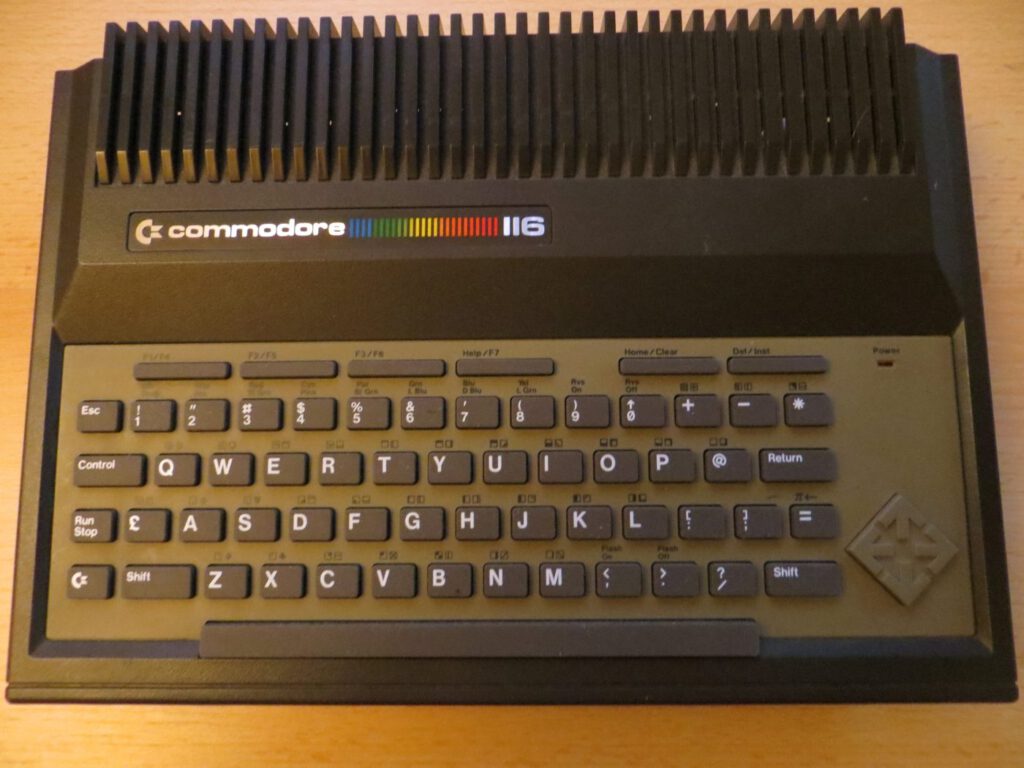
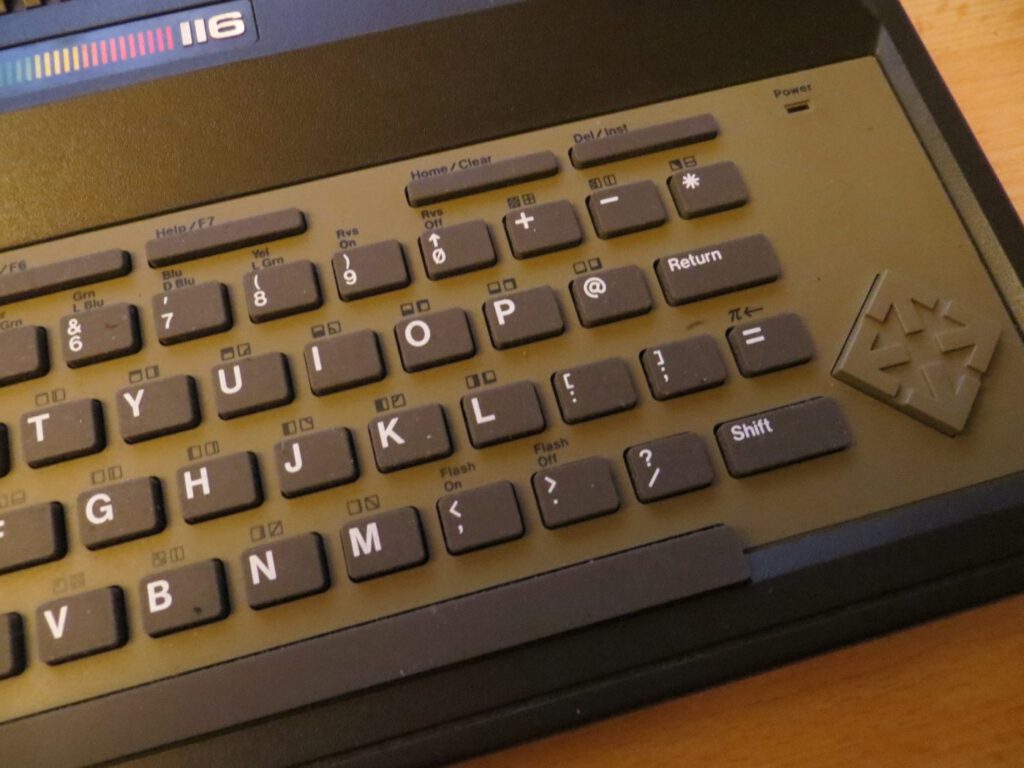
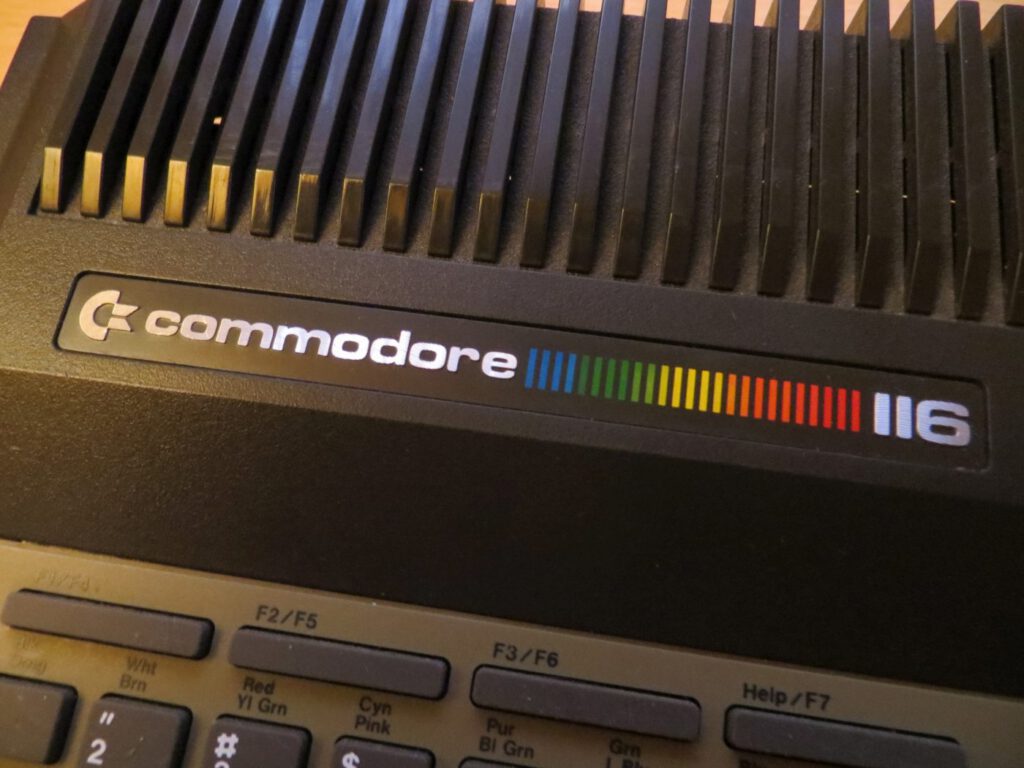
Once again, the processor was a 6502-compatible CPU, supported by a specialised chip – the TED (short for ‘Text Editing Device’). The two components shared the system bus and, as a result, often also the 1.76 MHz clock speed at which the CPU was clocked. As with the other models in the series, the connections for the Datasette and joystick differed from the standard used on the VC20 and Commodore 64. Commodore only produced one joystick that was compatible; for all others, expensive adaptors were required. The VC-1530 Datasette only works via an adapter, so it was easier to use the new VC-1531. The 1551 floppy drive was designed specifically for the 264 series; apart from the parallel connection via the module port and the dark colour of the casing, it differed very little from the 1541.
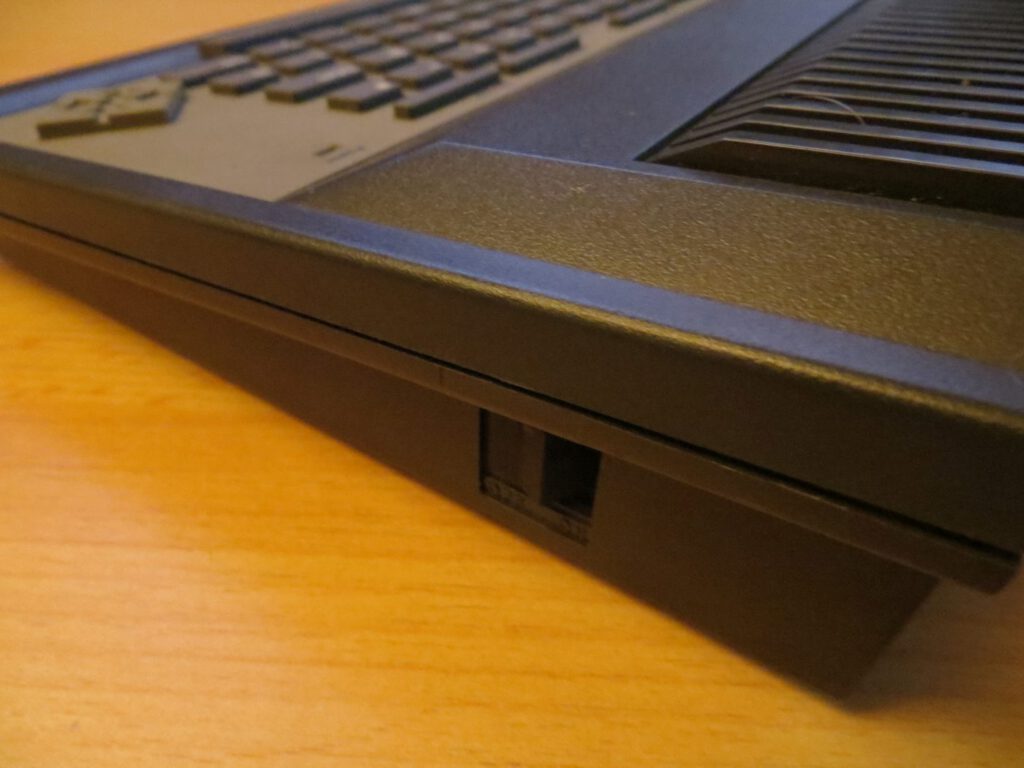
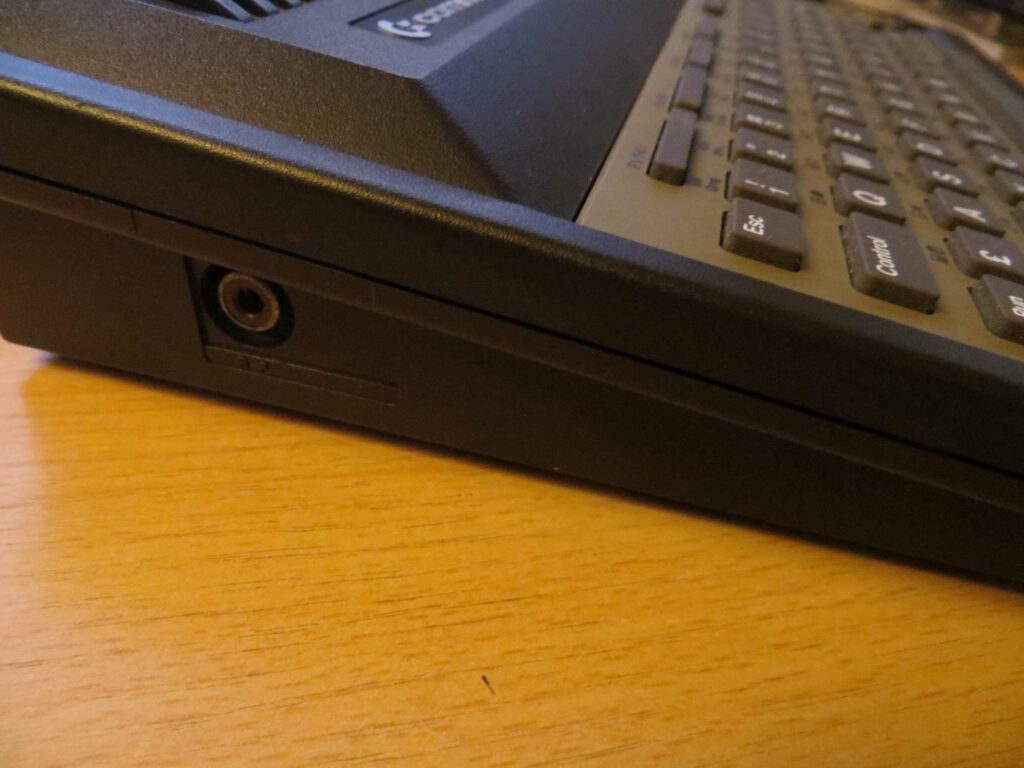
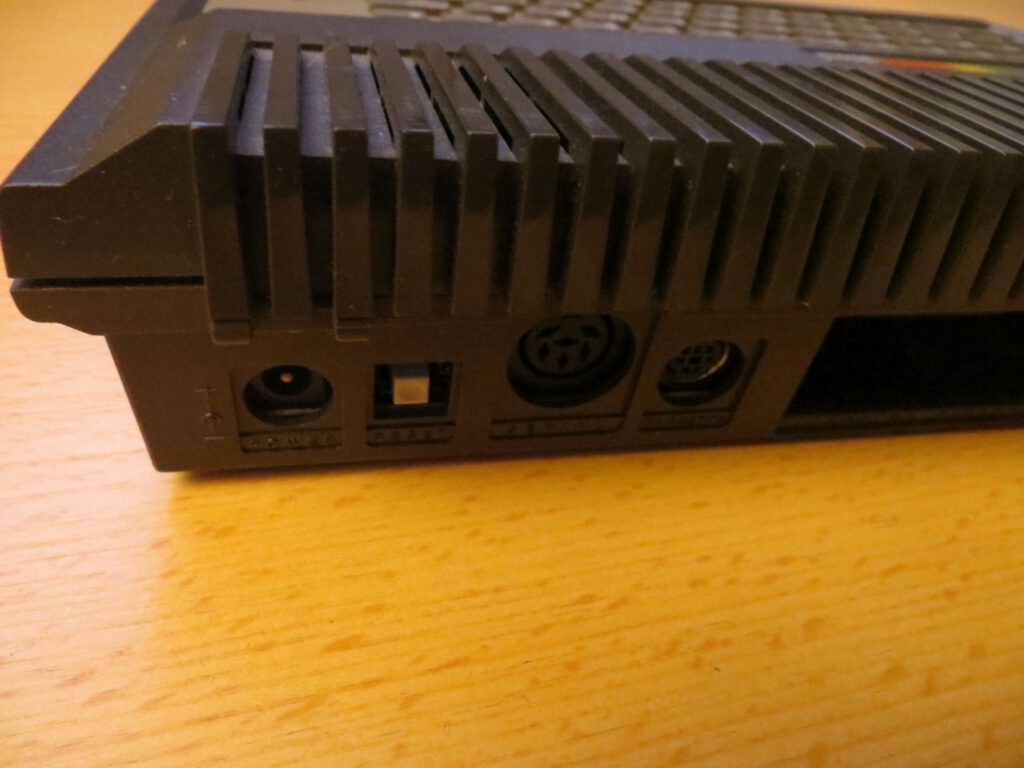
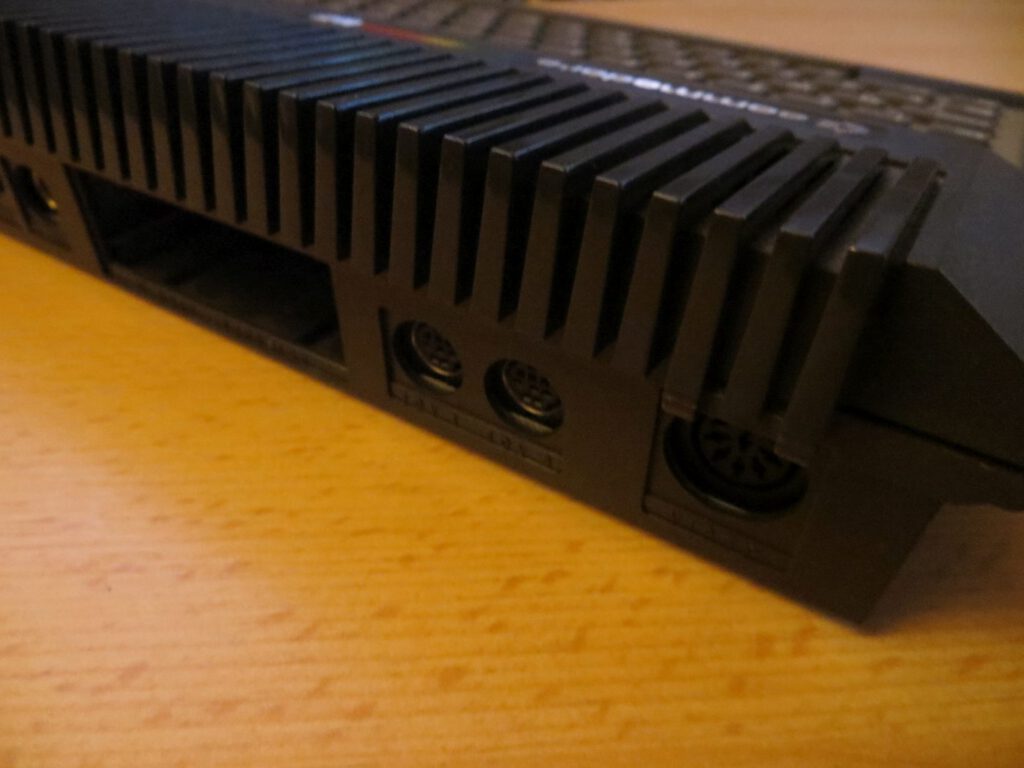
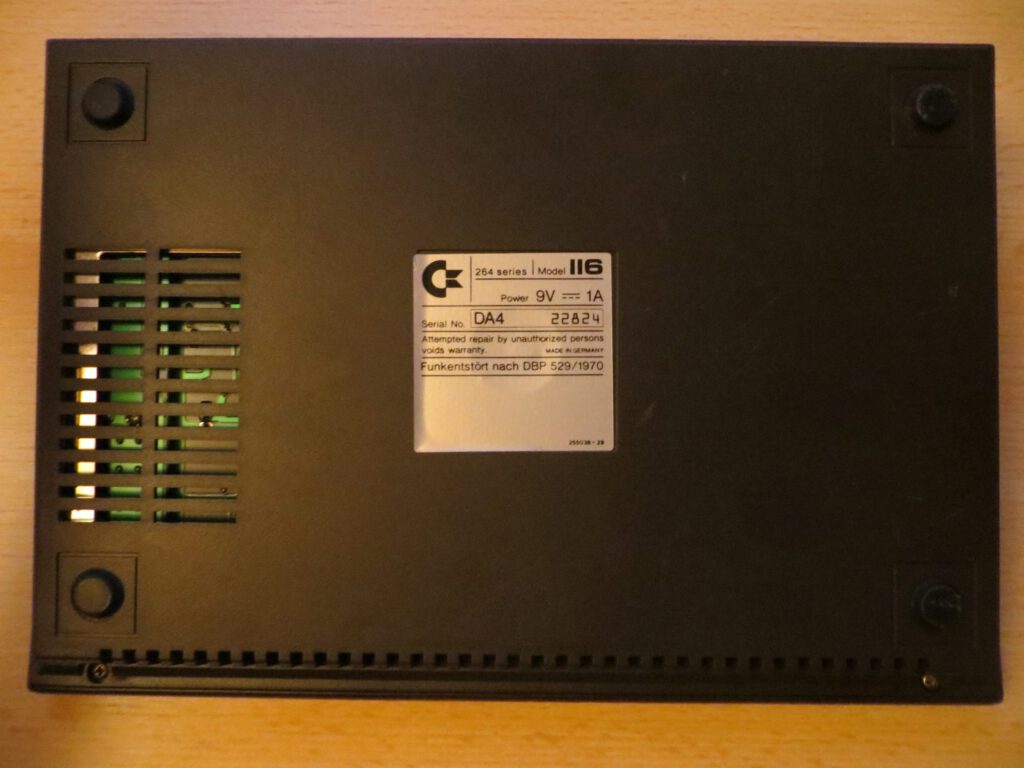
The C116 was sold only in Europe, primarily in Germany – but from the mid-1980s onwards also on a large scale in the Eastern Bloc, particularly in Hungary, where remaining stocks of the C16, C116 and Plus/4 were sold off at heavily discounted prices, and where a loyal fan base still exists to this day. There are varying reports regarding the sales figures, but I assume that around 50,000 units were sold – a reliable, standalone figure for the C116 alone is almost impossible to find in retrospect. Consequently, the computer cannot exactly be described as cheap on eBay. When the device went on sale, it was around 50 DM cheaper than the C16. I can still clearly remember when the ‘learning packs’ containing the C16 or C116 were being sold off at Aldi 🙂
Leave a Reply