

![Game Master [Hartung]](https://www.jungsi.de/blog/wp-content/uploads/Hartung-Game-Master-Oberseite.jpg)
The exact origins of the 1990 Game Master handheld are not fully clear. Although it seems obvious that the Hamburg-based company Hartung was behind the device, Watara''s involvement as a distributor is particularly noteworthy. If the name Watara sounds familiar, it is because the company released the SuperVision in 1992—a console that uses cartridges nearly identical to those of the Game Master .
Did Watara acquire the rights from Hartung after the Game Master was discontinued, or were they involved from the start? It is also noteworthy that Hartung later released the Hartung SuperVision. Like the Gamate, the Game Master was developed to compete with the Nintendo Game Boy in markets where the latter did not dominate.
Also of interest is a US patent filed by Bon Treasure, a company that later produced the majority of games for the SuperVision. This supports the theory that both game consoles were developed by the same company, even though the patent was not filed until April 1991.
The Game Master was distributed by Hartung in Germany and France. Contracts were concluded with various distributors for Spain, Italy, and Portugal. In France, the units were also sold under other names. Some retailers altered the console's color, resulting in various versions. Its design—featuring a D-pad and two action buttons—resembled that of the Sega Game Gear, which was also released in 1990.
A company named Caterpillar modified the system to make it more similar to the Game Boy. This modified system, known as the Game Plus, was distributed by Delplay in France; to ensure market control, it was incompatible with standard Game Master games. However, Game Plus cartridges were compatible with the Game Master console. Today, the Game Plus is likely very difficult to find.
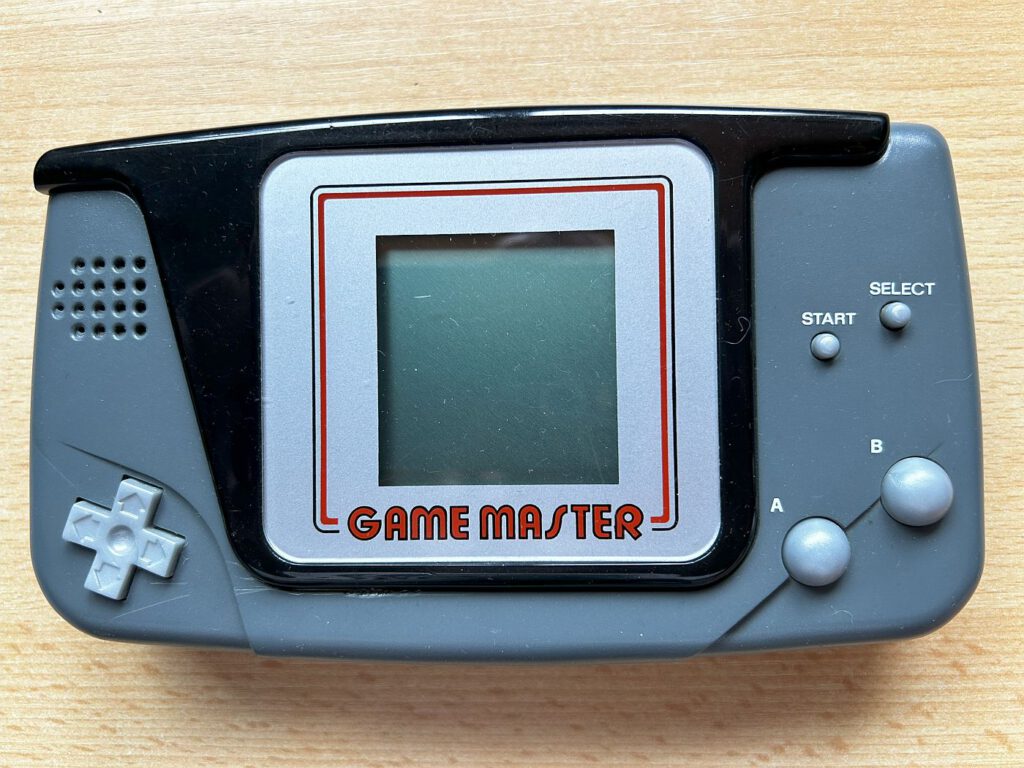
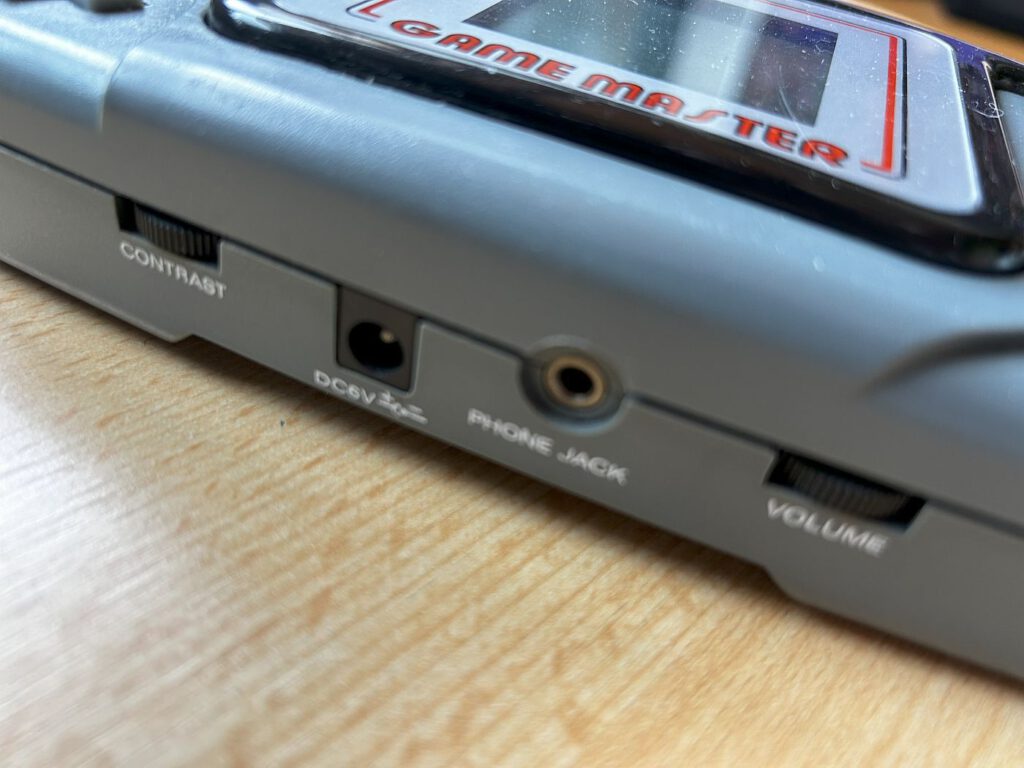
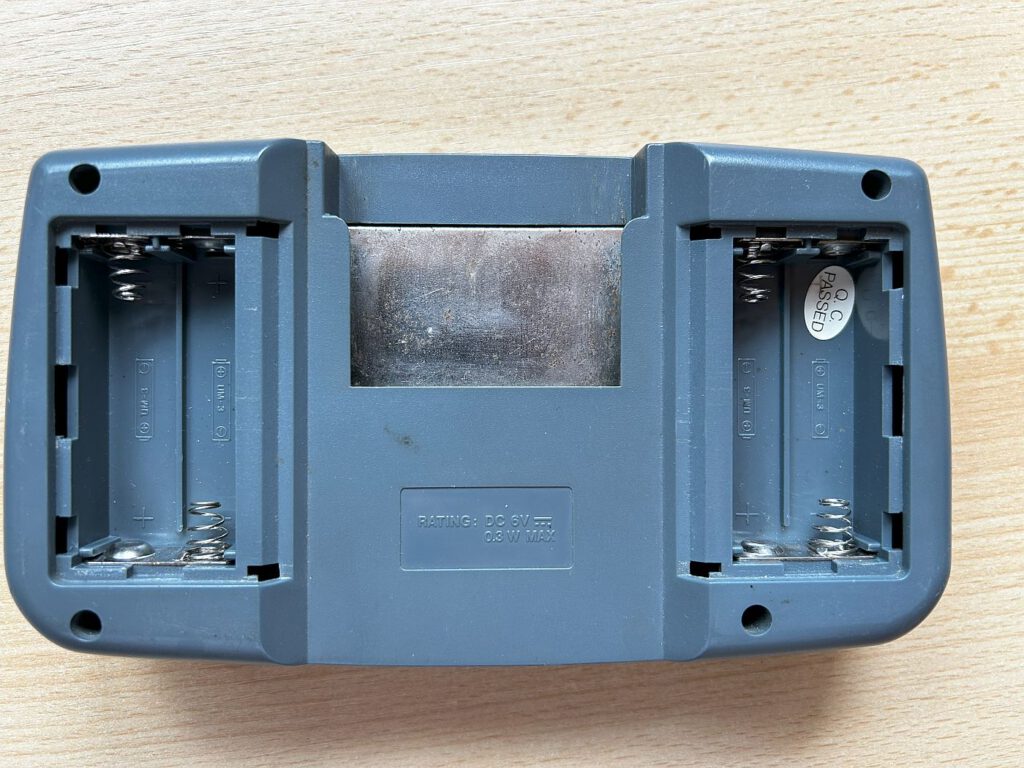
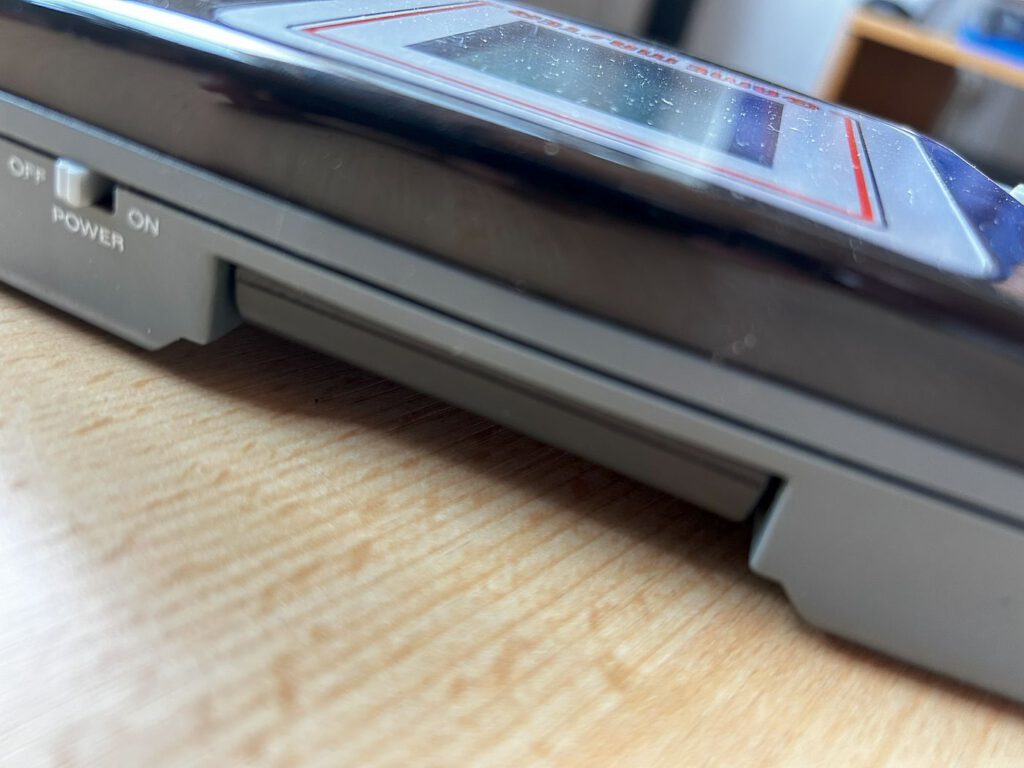
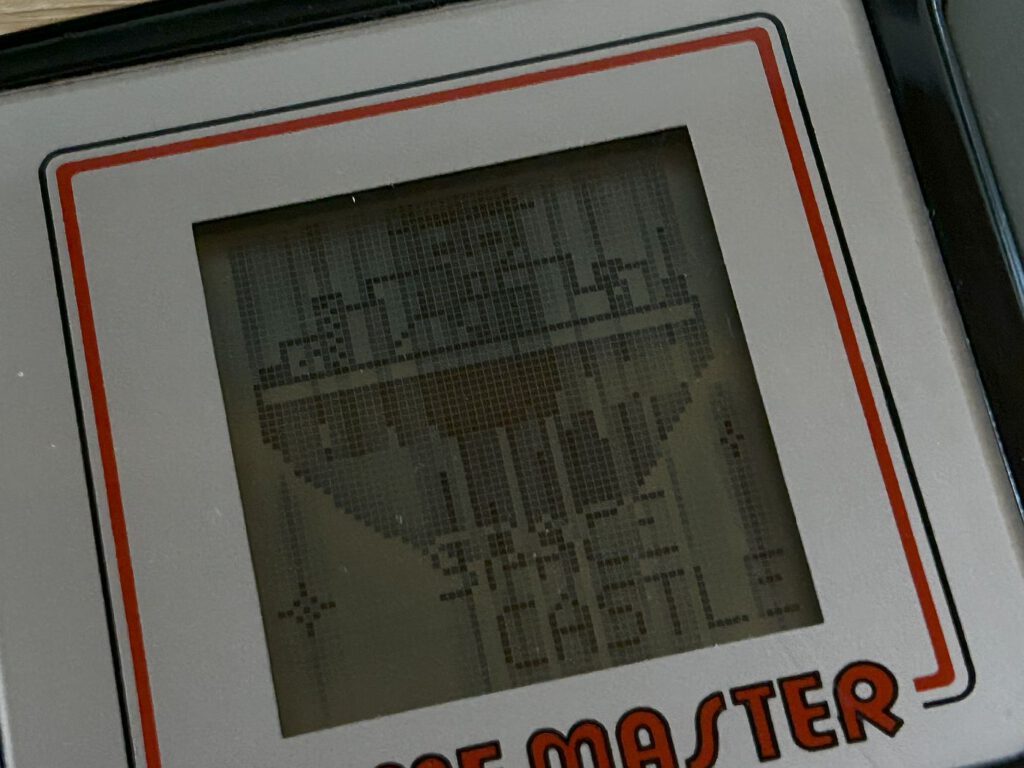
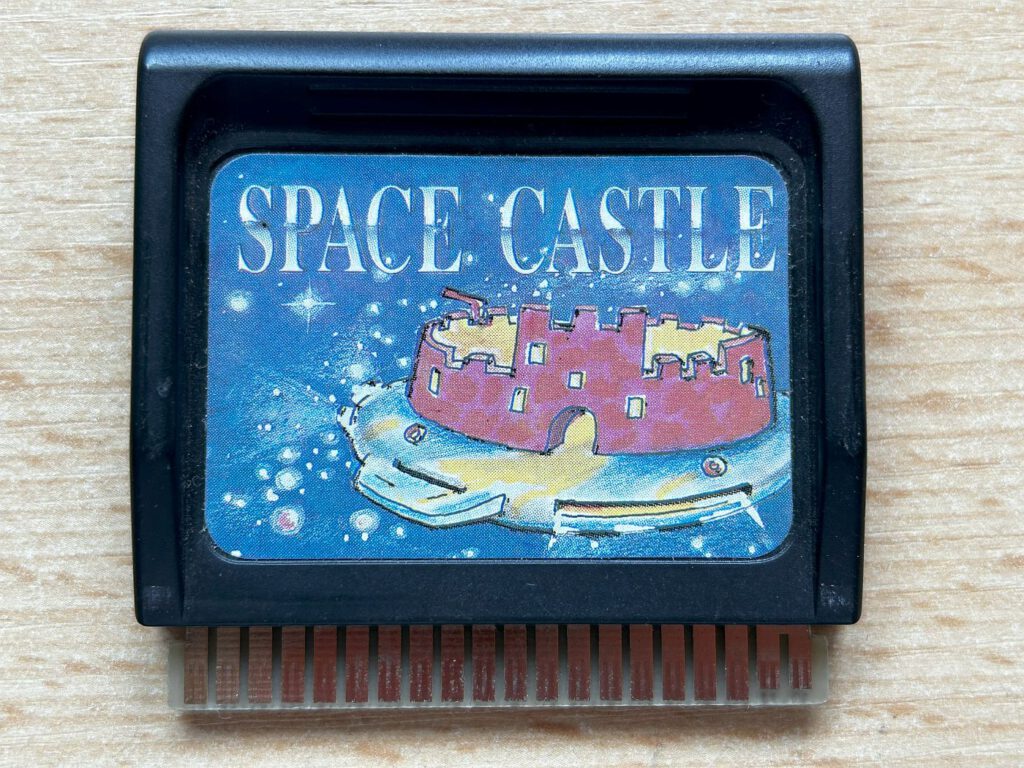
The system competed with the Gamate and the Game Boy but was unable to rival them. Only 19 games were released, offering a rather simple gaming experience; consequently, the console was quickly forgotten. It was succeeded by the SuperVision in 1992, with Hartung becoming the sole distributor for Germany. Although Hartung did not develop any new games for the Game Master, the device remained on sale until 1994.
The technology is quickly explained: an NEC uPD7810 served as the processor, and the display was a monochrome 64 x 64 LCD capable of showing only black and white pixels. Audio was handled by a 1-bit DAC outputting through a built-in speaker; there was also an option to connect headphones.
A2Heaven occasionally offers the GameMaster Multi—an EPROM cartridge containing all the classic games and a few newer homebrew titles.
List of released games:
- Bubble Boy
- Car Racing [a.k.a. Super F-1 on title screen]
- Continental Galaxy [a.k.a. Continental Galaxy 2020 on title screen]
- Dungeon Advanture [a.k.a. Dungeon Adventure on title screen]
- Falling Block [a.k.a. Falling Block! on title screen]
- Finite Zone
- Go Bang! (Go Bang Game) [a.k.a. GO Bang.. on title screen]
- Hyper Space
- Kung Fu [a.k.a. Kung Fu Challenge on title screen]
- Move It
- Pin Ball
- Soccer (Fuss-Ball) [a.k.a. 3on3 Soccer on title screen]
- Space Castle
- Space Invader
- Space Warrior
- Tank War
- Tennis [a.k.a. Tennis Master… on title screen]
- Urban Challenge
Leave a Reply